Nebin George Saji

Marketing-focused PGDM professional turning consumer insights into business growth.

Currently pursuing PGDM (Global) at Muthoot Business School with a BBA in Logistics & Supply Chain Management and internship experience at Muthoot Finance.

A dedicated management student with strong interest in business, finance, and strategic decision-making, committed to continuous learning and professional growth.

📌 Kochi, Kerala, India 🎯 Interests: Consulting, Investment Banking, Strategy

You can explore more about my professional journey, projects, and certifications on my LinkedIn profile.

Nebin George Saji

About Me

I am Nebin George Saji, a dedicated PGDM student at Muthoot Business School with a strong interest in business, finance, and strategic decision-making. My academic background in BBA, combined with hands-on internship experience in digital marketing at Muthoot Finance, has strengthened my analytical thinking, adaptability, and understanding of corporate environments.

I am highly curious and driven, with a mindset focused on continuous learning and improvement. Whether in academics, projects, or internships, I approach every responsibility with commitment, discipline, and a willingness to take initiative. Over time, I have developed a deeper interest in consultancy, investment banking, and business strategy—fields that challenge me intellectually and help me grow professionally.

Communication plays an important role in shaping how I work and interact with others. I value clarity, respect, and thoughtful conversation, and I make conscious efforts to understand different perspectives. My ability to stay calm under pressure, learn quickly, and adapt to different environments has helped me build confidence and resilience.

I believe in consistent effort, everyday improvement, and building meaningful relationships that support both personal and professional growth. As I continue my PGDM journey, I aim to develop into a responsible leader who contributes effectively to organizational success while staying grounded, ethical, and future-focused.

Core Values

  • Clarity and honesty in communication and decision-making.
  • Consistency in effort, preparation, and follow-through.
  • Respect for diverse perspectives and collaborative thinking.
  • Discipline in managing time, priorities, and responsibilities.
  • Ethical, future-focused approach to career and leadership.

Professional Interests

  • Consulting roles that involve problem-solving, business transformation, and strategy design.
  • Investment banking and finance roles focused on analysis, valuation, and deal execution.
  • Business strategy positions where I can contribute to long-term growth and competitive advantage.
  • Projects that combine data, creativity, and stakeholder management to deliver measurable outcomes.

How I Work

  • Approach tasks with preparation, structured thinking, and clear timelines.
  • Prefer data-backed decisions but remain open to intuition and experience-based insights.
  • Stay calm under pressure and focus on breaking complex tasks into manageable steps.
  • Actively seek feedback from mentors, peers, and faculty to refine my approach.
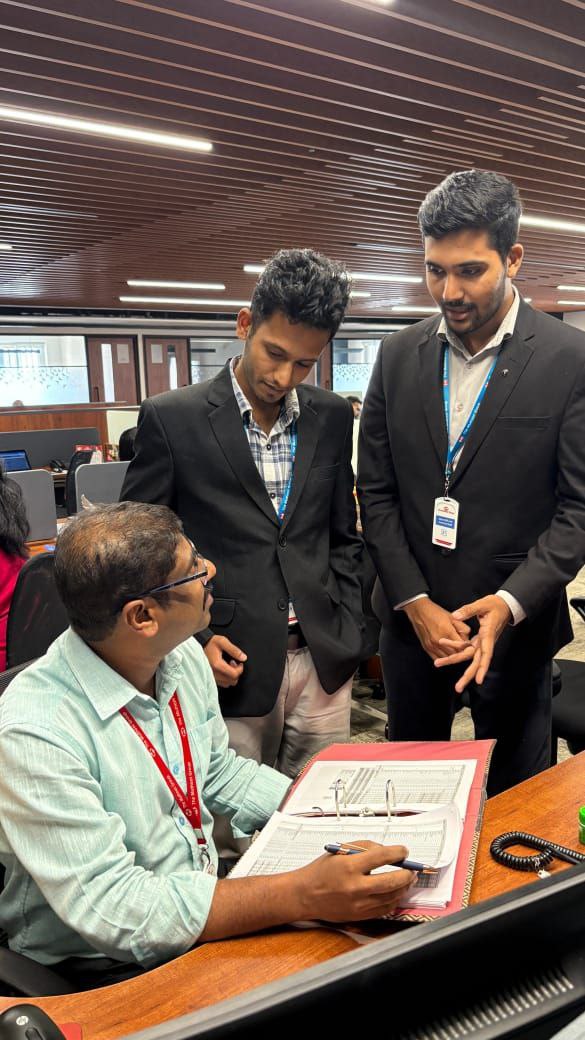
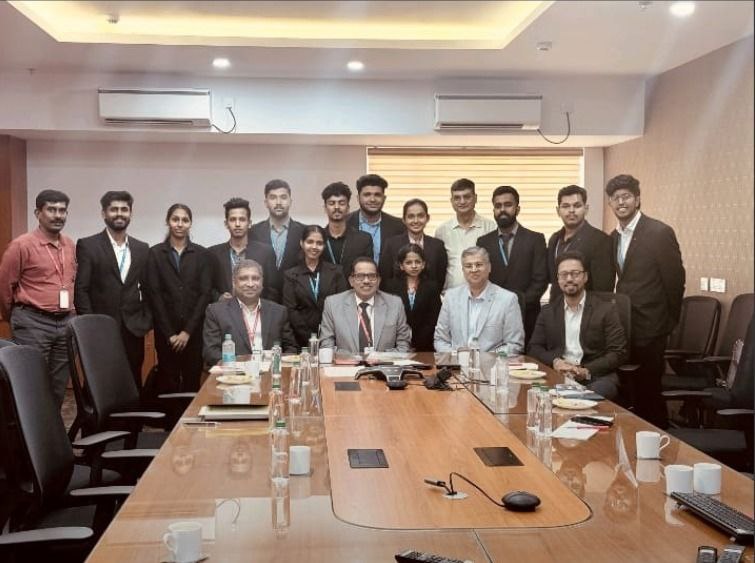
Meeting with MD Muthoot Group during Internship

Meeting with MD Muthoot Group during Internship

My Goals

Short-Term Goals

  • Strengthen my communication, presentation, and analytical skills to perform confidently in academic discussions, group tasks, and corporate environments.
  • Gain practical exposure through internships, live projects, and industry interactions—especially in consultancy, digital marketing, and finance—to build a strong foundation for my career.

Long-Term Goals

  • Become a strategic business leader capable of guiding teams, solving complex organizational challenges, and contributing to overall corporate growth.
  • Build a strong career in consultancy or investment banking by continuously expanding my expertise in financial modelling, business analysis, and strategic planning.

Academic Journey

PGDM – Global

Muthoot Business School (2025–27)

I am currently pursuing my PGDM (Global) at Muthoot Business School, a program designed to build strong managerial, analytical, and strategic capabilities for the modern business environment. The curriculum, combined with industry-focused learning, helps me enhance my understanding of finance, marketing, operations, and leadership.

Through presentations, group work, and practical exposure, I am developing confidence, adaptability, and a professional mindset essential for future corporate roles.

Bachelor of Business Administration (BBA)

PGM College of Arts and Science (2022–2025)

I completed my BBA at PGM College of Arts and Science with a specialization in Logistics and Supply Chain Management. This program strengthened my understanding of business operations, procurement, warehouse management, transportation, and supply chain optimization.

The academic experience helped me build strong analytical, communication, and teamwork skills through presentations, project work, and department activities. This specialization also helped me understand the importance of efficiency, planning, and coordination in business functions.

Higher Secondary Education

Sacred Heart Changanassery (2019–2021)

I completed my higher secondary education in the Commerce stream at Sacred Heart, Changanassery. This phase laid a strong foundation in business studies, accounting, and economics, and played a key role in shaping my interest in pursuing management studies.

My time at Sacred Heart helped me develop discipline, confidence, and a consistent academic approach, preparing me well for my BBA and PGDM journey.

PRE PGDM internship

Digital Marketing Intern

Muthoot Finance Ltd.

Department: Digital MarketingFocus: Content, Campaigns, Branch Audits

During my internship at Muthoot Finance, I worked in the Digital Marketing Department, where I gained hands-on experience in content creation, brand communication, and digital campaign support. This internship helped me understand how large organizations operate, how marketing strategies are executed, and how digital platforms influence customer engagement.

My responsibilities included assisting in the creation of social media content, supporting campaign planning, coordinating with internal teams, and helping with analytics-related tasks. I also had the opportunity to observe how brand guidelines are maintained and how digital communication is aligned with business goals.

Working under experienced professionals helped me develop discipline, time management, and attention to detail. I learned the importance of consistency, clarity, and creativity in delivering effective digital communication. This internship also improved my confidence, adaptability, and ability to work in a professional corporate environment.

Overall, this experience strengthened my interest in marketing, strategy, and corporate communication, and helped build a strong foundation for my future career.

Key Responsibilities

  • Supported planning and execution of digital campaigns aligned with brand guidelines.
  • Contributed to social media content ideas, basic copy, and post coordination.
  • Observed and documented branch-level branding, customer experience, and process gaps.
  • Assisted in basic analytics support such as consolidating data and preparing reports.

Key Learnings

  • Understood how brand consistency is maintained across branches and digital platforms.
  • Developed a better view of how marketing, operations, and customer-facing teams work together.
  • Strengthened my habit of documenting observations clearly and sharing them with decision-makers.
  • Realized the importance of data-backed communication in corporate environments.
PRE PGDM Experience

Transformation and Growth – Semester 1

Semester 1 marked a clear shift in how I approach learning, thinking, and self-evaluation. Entering the PGDM program, my understanding of management education was largely content-driven. I focused on absorbing information, completing assignments, and meeting academic requirements without deeply questioning how knowledge connects to real business situations. As the semester progressed, this mindset changed substantially through structured coursework, classroom interactions, and reflective exercises.

1. Transition from Information Absorption to Analytical Thinking

In the initial phase of the semester, my learning approach was mostly descriptive. I concentrated on understanding concepts individually rather than examining their relationships or practical implications. Courses such as Business Research Methods and Marketing Management challenged this habit by emphasizing problem definition, hypothesis formation, and evidence-based reasoning. Case discussions forced me to justify opinions using logic and frameworks rather than personal assumptions. Over time, I learned to break complex problems into smaller components, analyze cause-and-effect relationships, and arrive at conclusions that were structured and defensible. This shift helped me move away from memorization and toward analytical clarity, which significantly improved the quality of my academic work.

2. Growth in Communication and Classroom Engagement

One of the most noticeable areas of growth during Semester 1 was communication. Initially, I was hesitant to participate actively in classroom discussions due to uncertainty about my responses and concern over making mistakes. Regular presentations, group discussions, and interactive sessions gradually reduced this hesitation. I learned that effective communication is not about having perfect answers, but about presenting ideas clearly and logically. Feedback from faculty and peers helped me refine my presentation structure and delivery. By the end of the semester, I became more confident expressing viewpoints, responding to questions, and contributing meaningfully to academic discussions. This improvement strengthened my classroom presence and prepared me for professional interactions.

3. Development of a Data-Oriented Mindset

Before joining the program, I viewed data mainly as supporting information rather than a central decision-making tool. Semester 1 introduced me to the role of data in business analysis through research assignments, surveys, and analytical exercises. Working with tools such as Excel and SPSS helped me understand how raw data can be transformed into meaningful insights. I learned the importance of data accuracy, proper interpretation, and avoiding biased conclusions. This exposure reshaped my thinking by reducing reliance on intuition and encouraging evidence-based reasoning. As a result, I now approach business problems with greater objectivity and analytical discipline.

4. Learning Through Teamwork and Collaboration

Group activities and team-based assignments played a crucial role in my personal development. Working with peers highlighted differences in perspectives, working styles, and problem-solving approaches. Initial challenges included coordination issues and varying levels of contribution within teams. Instead of viewing these as obstacles, I learned to adapt by improving communication, clarifying responsibilities, and focusing on collective outcomes. These experiences enhanced my ability to collaborate effectively, accept feedback, and contribute constructively. Semester 1 reinforced the idea that successful teamwork depends on accountability, flexibility, and shared responsibility rather than individual performance alone.

5. Increased Self-Awareness and Professional Orientation

Reflective activities, particularly those linked to leadership development, helped me gain deeper self-awareness. I began identifying personal habits that limited productivity, such as inconsistency and overthinking. Exposure to real-world business discussions and structured reflection encouraged a more realistic and disciplined outlook toward growth. I started setting clearer goals, managing time more effectively, and evaluating decisions based on feasibility and impact. This growing self-awareness contributed to a more professional mindset, allowing me to approach academic and career planning with greater focus and maturity.

Overall, Semester 1 served as a foundational phase that reshaped how I think, communicate, and learn. The transformation was gradual but meaningful, laying the groundwork for more advanced learning and professional development in subsequent semesters.

Work Integrated Learning (WIL)

Enhancing Gold Retention Through SUV

WIL Project – Muthoot Finance Ltd.

Project Context and Background

The Work Integrated Learning (WIL) project was conducted at Muthoot Finance Ltd. with the objective of understanding and improving customer retention within the gold loan segment, specifically under the Super Utility Value (SUV) Gold Loan Scheme. In the highly competitive gold loan industry, customer retention plays a critical role in sustaining portfolio quality, reducing acquisition costs, and maintaining long-term customer relationships. While gold loans are typically short-term in nature, repeat renewals form the backbone of business continuity.

The SUV scheme was designed to provide additional value to customers beyond basic loan services. However, inconsistencies in renewal behavior and varying branch-level performance highlighted the need for a more structured, data-driven approach to retention management. This project aimed to analyze these gaps and propose practical improvements by integrating academic learning with real organizational processes.

Objectives of the Project

The primary objectives of the WIL project were defined as follows:

  • To study customer renewal and retention patterns within the gold loan portfolio
  • To identify factors influencing loan closure, renewal delays, and customer drop-off
  • To analyze how customer data is currently used for engagement and follow-ups
  • To evaluate the effectiveness of the existing SUV scheme in retaining customers
  • To recommend process-level and system-level improvements to enhance retention

These objectives were aligned with both academic learning outcomes and the operational priorities of Muthoot Finance.

Methodology and Approach

The project adopted a qualitative and exploratory approach supported by internal data observations and process mapping. Key activities included:

  • Observing branch-level renewal workflows and customer interaction practices
  • Reviewing existing customer segmentation and follow-up mechanisms
  • Understanding how customer information is captured, stored, and accessed through internal systems
  • Interacting with staff to understand practical constraints in customer engagement
  • Mapping the customer journey from loan disbursement to renewal or closure

Rather than relying on assumptions, the focus remained on understanding real operational behavior and identifying gaps between system capability and actual usage.

Key Observations and Analysis

Several critical insights emerged during the course of the project:

Fragmented Customer View

Customer data existed across multiple touchpoints, but relationship managers often lacked a consolidated view of customer history, renewal behavior, and engagement status. This limited personalized communication and proactive follow-ups.

Reactive Renewal Process

Customer engagement for renewals was largely reactive, initiated close to loan maturity or after customer inquiries. Early identification of at-risk customers was limited.

Inconsistent Follow-Up Practices

Follow-up frequency and methods varied across branches and staff members, leading to uneven customer experience and retention outcomes.

Underutilization of SUV Benefits

While the SUV scheme offered value-added benefits, many customers were either unaware of these features or did not clearly associate them with renewal advantages.

These observations highlighted the need for system-driven support rather than dependence on manual judgment.

Suggestions and Recommendations

Based on the analysis, the following recommendations were proposed:

  • Automated Renewal Reminder System: Introduce system-triggered reminders based on loan maturity timelines to ensure timely customer engagement.
  • Single Unified Customer View (SUV Dashboard): Develop a consolidated customer dashboard displaying loan history, renewal patterns, engagement touchpoints, and SUV eligibility.
  • Personalized Engagement Strategy: Segment customers based on renewal behavior and tailor communication strategies accordingly instead of generic reminders.
  • Loyalty and Incentive Alignment: Strengthen the linkage between SUV benefits and customer loyalty by clearly communicating long-term value during interactions.
  • Standardized Renewal Workflow: Establish uniform renewal processes across branches to reduce inconsistency and dependency on individual discretion.

These recommendations were designed to be practical, scalable, and aligned with existing operational structures.

Trial Run and Learning Exposure

A pilot-level observation was conducted in select branches to understand how suggested changes could be implemented in real conditions. Customer response patterns, staff adaptability, and system usability were observed to assess feasibility. Feedback from these observations was documented to refine the recommendations further.

While the project did not involve full-scale implementation ownership, it provided valuable exposure to how strategic ideas are tested, evaluated, and refined before wider adoption.

Key Learnings and Business Impact

This WIL project offered significant learning across multiple dimensions:

  • Developed a practical understanding of customer retention in financial services
  • Learned how CRM systems support decision-making and customer engagement
  • Gained exposure to process optimization and workflow standardization
  • Understood the importance of data-backed strategies over intuition-based decisions
  • Improved ability to analyze business problems within real organizational constraints

The project strengthened my ability to connect academic frameworks with operational realities, reinforcing the importance of structured thinking, customer-centric strategy, and evidence-based recommendations in business decision-making.

My Skills

Hard Skills

Digital Marketing Basics
Data Analysis (Beginner–Intermediate)
Microsoft Office Suite
Logistics & Supply Chain Fundamentals
Branch Audit Observation Skills
Content Development
Report Writing & Documentation
Presentation Skills
Basic Financial Understanding

Soft Skills

Communication Skills
Teamwork & Collaboration
Adaptability
Time Management
Observation & Attention to Detail
Professional Discipline
Problem-Solving
Leadership Potential
Creativity
Interpersonal Skills

Club Activities

Founding Member & Committee Member – Sports Club, Muthoot Business School

As a founding member and committee member of the Sports Club at Muthoot Business School, I had the opportunity to contribute to building the club from the ground up. This role allowed me to take initiative, collaborate with peers, and help establish a structured environment for sports and fitness activities on campus.

  • Played an active role in forming the club's structure, objectives, and activity plans
  • Contributed to organizing and coordinating sports events, tournaments, and inter-department competitions
  • Assisted in planning schedules, setting guidelines, and managing member participation
  • Supported the club in encouraging physical fitness, teamwork, and a healthy competitive spirit among students
  • Worked closely with faculty coordinators and students to ensure smooth execution of activities

This experience enhanced my leadership, coordination, and decision-making skills. Being part of the founding committee also strengthened my ability to work collaboratively, take responsibility, and contribute to campus development in a meaningful way.

Self-Reflection

My journey so far—from my higher secondary education to completing my BBA and stepping into the PGDM program at Muthoot Business School—has been one of continuous growth, learning, and self-discovery. Each stage has helped me understand myself better, both as a student and as a future professional.

One of the most important lessons I've learned is the value of consistency. Whether in academics, internships, or teamwork, consistent effort has always led to improvement. My BBA specialization in Logistics and Supply Chain Management strengthened my analytical mindset, while my internship at Muthoot Finance helped me understand the discipline and structure required in a corporate environment. Conducting branch audits and supporting digital campaigns taught me the importance of observation, responsibility, and attention to detail.

Being part of the learning team Phoenix Force and serving as a founding committee member of the Sports Club helped me grow socially and emotionally. These experiences taught me how to collaborate with different personalities, communicate clearly, respect diverse viewpoints, and contribute to group goals. They also improved my confidence and ability to work effectively in teams.

During this journey, I have also reflected on my personal strengths. I have realized that I am someone who learns fast, adapts quickly, and stays calm under pressure. I value clarity, honesty, and discipline in whatever I do. At the same time, I recognize areas where I want to improve—such as developing stronger leadership presence, enhancing my financial analytical skills, and becoming more assertive in group decisions.

Overall, this phase of my life has helped me develop a clearer vision of who I want to become. I am committed to continuous improvement, professional growth, and building a career where I can contribute meaningfully. My self-reflection reinforces my belief that growth happens step by step, through learning, effort, and the willingness to challenge myself.

Reflections

Reflection on My Visit to Rajagiri Business School

My visit to Rajagiri Business School for Inflore ’26, held on January 16 and 17, was a meaningful learning experience that extended far beyond participation in a management fest. It offered me an opportunity to observe, experience, and reflect on management education in action—outside the boundaries of my regular classroom environment.

Participating in the Best Management Team (BMT) event exposed me to situations that demanded quick thinking, adaptability, and effective teamwork. Each round presented a different challenge, testing our analytical ability, problem-solving skills, coordination, and decision-making under pressure. Working alongside my teammates helped me understand how individual strengths contribute to collective performance, especially in time-bound and uncertain situations.

One of the most impactful takeaways from the event was realizing how theoretical concepts translate into practical execution. Activities that appeared simple on the surface became complex managerial challenges when constraints such as time, resources, and coordination were introduced. This reinforced the importance of planning, communication, and strategic thinking—skills that are essential for real-world management roles.

Beyond the competition, my visit to Rajagiri Business School allowed me to observe the institution’s academic culture, student engagement, and organizational efficiency. The campus environment, the professionalism of the event coordination team, and the collaborative atmosphere among participants reflected a strong emphasis on experiential learning and holistic development. Interacting with students from different institutions also broadened my perspective and encouraged the exchange of ideas and experiences.

Overall, this visit helped me gain clarity on my personal and professional development as a management student. It strengthened my confidence, improved my ability to work in a team, and deepened my understanding of applied management. The experience at Rajagiri Business School has motivated me to actively seek more such learning opportunities that challenge me beyond textbooks and lectures.

This visit was not just an event participation, but a valuable step in my journey toward becoming a more reflective, adaptable, and industry-ready management professional.

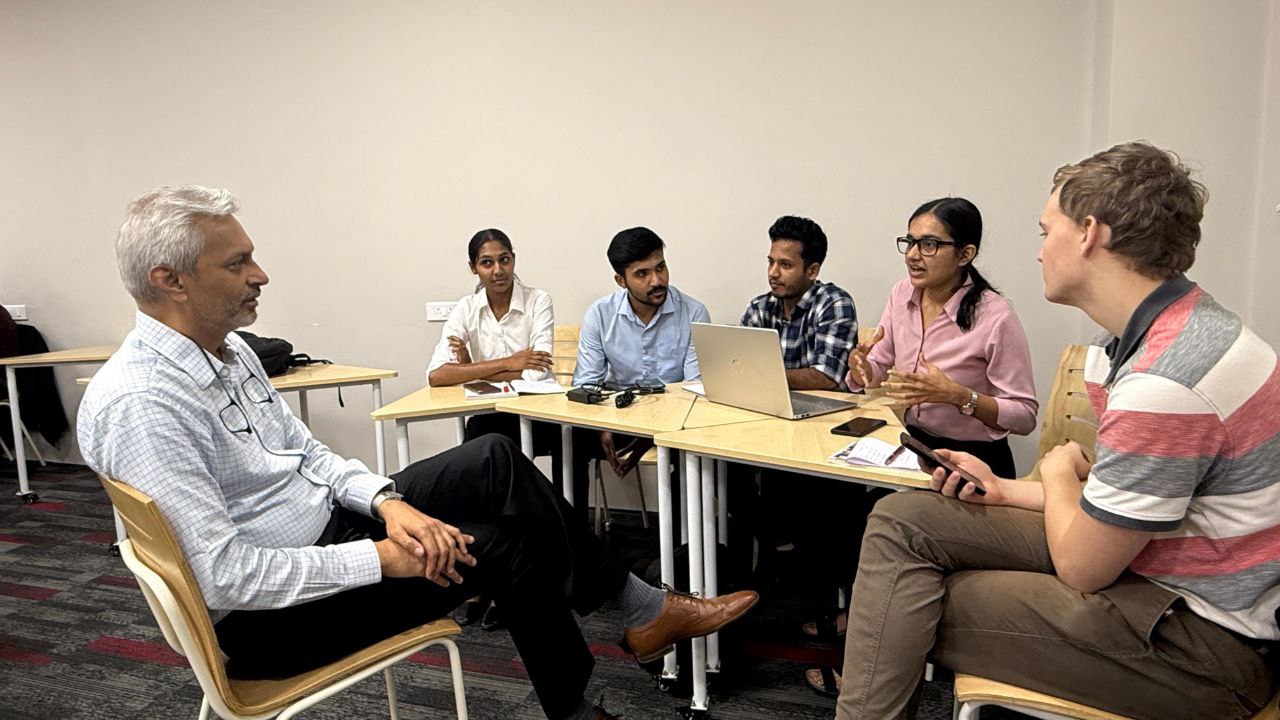
Rajagiri visit photo 1

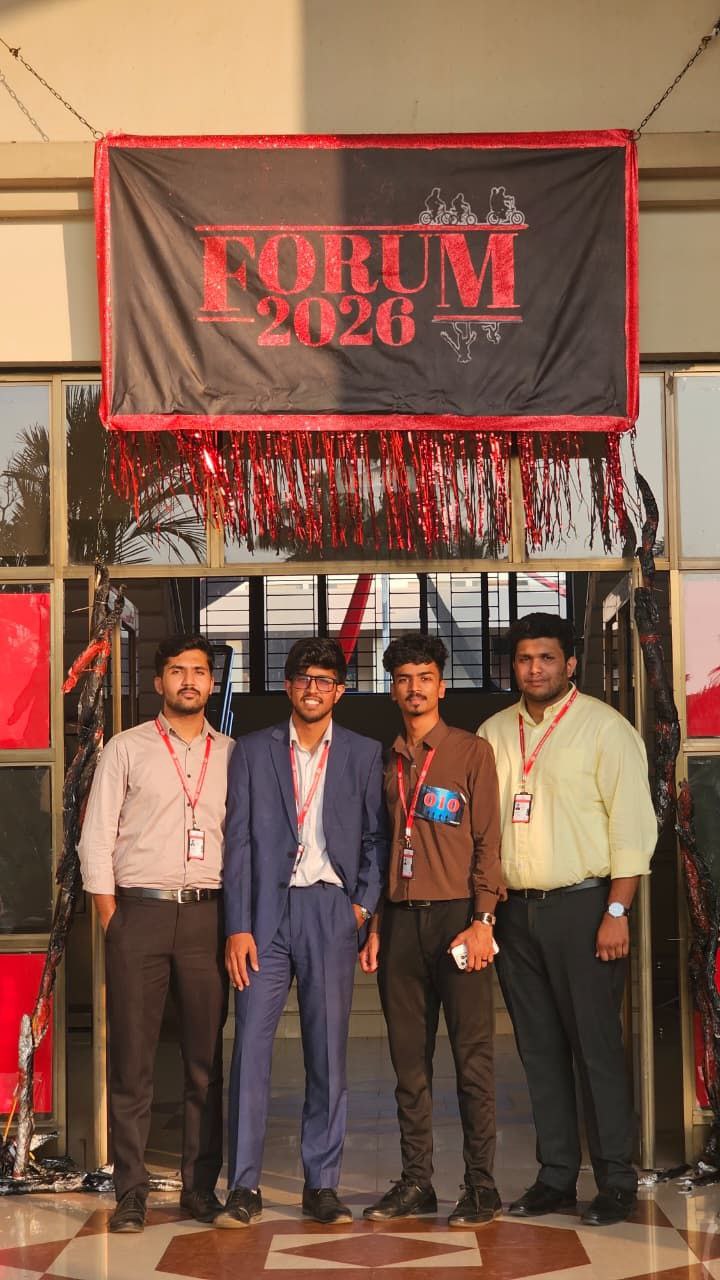
Reflection on My Visit to FISAT

My participation in the Best Marketing Team event at FISAT Business School was a valuable experiential learning opportunity that helped me understand how marketing concepts function in real, competitive environments. Unlike classroom discussions, the event required us to apply our knowledge under time constraints, make decisions collaboratively, and justify our ideas with clarity and confidence.

I took part in the competition along with my teammates Justin Baby, Sachu K Binu, and Mayank Kalla. Working as a team allowed me to observe how diverse perspectives contribute to better problem-solving and how effective communication becomes crucial when time and expectations are high.

The quiz round tested our conceptual clarity in marketing fundamentals. I realized how continuous academic exposure and structured learning had strengthened my ability to recall, analyze, and apply concepts quickly. This round reinforced the importance of having a strong theoretical foundation to perform confidently in competitive settings.

The case study presentation round was particularly insightful. It required us to analyze a business situation, identify core problems, and present feasible marketing strategies. This round highlighted the importance of structured thinking, logical reasoning, and clarity in presentation. It also showed me how discussion-based learning sharpens analytical skills and prepares students for real-world decision-making.

The rebranding and presentation round challenged our creativity and strategic thinking. Developing a rebranding approach within a limited timeframe pushed us to balance innovation with practicality. This experience helped me understand how marketing decisions are not just creative but also strategic, data-driven, and audience-focused.

Overall, progressing till Round 3 was a rewarding experience. More importantly, the event helped me reflect on my strengths in analysis and teamwork, while also identifying areas where I can improve, such as articulation under pressure and faster decision-making.

This experience reaffirmed the value of experiential learning and reinforced the academic exposure I receive at Muthoot Business School. Participating in intercollegiate events like this has motivated me to actively seek opportunities that bridge theory with practice and prepare me for professional roles in marketing and management.

FISAT visit photo

Team Learning

Leadership Lab

I completed the Leadership Lab at Muthoot Business School, where I built my Personal Leadership Map. The process forced me to look at my patterns honestly, including the habits that hold me back and the strengths I tend to overlook. It helped me define the values I actually operate from, not the ones I assume I have, and map out the direction I want to grow toward as a leader. The outcome is a clearer understanding of how I think, how I react, and what I need to improve. It's a practical roadmap, not a motivational exercise, and it gave me a more realistic view of my own leadership potential.

Current Business Trends

The Current Business Trends (CBT) course at Muthoot Business School has been a truly transformative learning experience. It has encouraged me to move beyond simply reading business news to actually analyzing, questioning, and assessing its impact on global and local markets. This structured approach has strengthened my critical thinking and analytical skills, helping me connect classroom learning with real-world developments.

Peer Feedback and Teamwork Reflection (TEAMMATES App)

Peer feedback collected through the TEAMMATES application provides valuable insights into how teammates perceive my working style, communication, and contributions within team-based academic and project environments. This structured evaluation helps identify patterns in my behavior that self-assessment alone might overlook, offering a more comprehensive view of my effectiveness in collaborative settings. The feedback reflects real interactions and perceptions from peers, highlighting both strengths and areas for growth in teamwork dynamics.

Key Strengths

One of my notable strengths, as consistently highlighted in peer feedback, is my ability to explain tasks and concepts in detail, which significantly improves team clarity. For instance, when working on group assignments, I often break down complex ideas into simpler, step-by-step explanations, ensuring that all team members understand the requirements and objectives. This approach has helped reduce misunderstandings and allowed the team to align more effectively on project goals, ultimately leading to smoother coordination and higher-quality deliverables.

Peers have also recognized my consistent follow-up on tasks, deadlines, and responsibilities. I make it a point to track progress, remind the team of upcoming milestones, and ensure that commitments are met. This reliability has positively impacted task completion by minimizing delays and fostering a sense of accountability within the group. For example, in team projects, my proactive check-ins have helped prevent last-minute rushes and contributed to a more organized workflow.

My strong work ethic and willingness to support and encourage teammates have been appreciated by peers. I actively offer assistance when others are struggling and maintain a positive attitude that motivates the team. This supportive behavior has enhanced overall team functioning by building morale and encouraging mutual help, which is particularly valuable during challenging phases of projects where individual motivation might wane.

Efforts to maintain open communication, especially during disagreements or conflicts, have been noted as a strength. I strive to express my viewpoints clearly while listening to others, which helps de-escalate tensions and promotes constructive dialogue. This has led to better conflict resolution in teams, allowing us to address issues directly and reach consensus more efficiently.

Finally, my reliable and consistent contribution to team deliverables has been a key factor in successful outcomes. Peers have observed that I deliver on my assigned tasks without fail, which provides stability to the team. This consistency has supported coordination by ensuring that the team's efforts are balanced and that no single area is neglected, leading to more cohesive and complete project results.

Key Gaps and Areas for Improvement

Peer feedback has revealed a tendency to express uncertainty instead of independently researching solutions. In team discussions, I often voice doubts or seek immediate clarification rather than first exploring options on my own. This can slow down decision-making and place additional burden on teammates to provide guidance. In professional environments, this habit could limit my ability to contribute proactively and might be perceived as a lack of initiative, especially in fast-paced settings where quick problem-solving is essential.

Another area for improvement is my difficulty adapting to sudden changes, last-minute revisions, or shifting priorities. Feedback indicates that I prefer structured plans and can become unsettled when circumstances change unexpectedly. This rigidity has occasionally created challenges in dynamic team situations, such as when project scopes evolve or deadlines shift. In real-world teamwork, adaptability is crucial for responding to evolving requirements, and this gap could hinder my effectiveness in flexible or unpredictable professional contexts.

Additionally, there is a need for better emotional regulation and response under pressure. Peers have noted instances where stress or frustration leads to less composed reactions, which can affect team dynamics. This emotional response under pressure matters because maintaining professionalism is key to sustaining positive working relationships and ensuring that conflicts are handled constructively rather than escalating tensions.

Reflection and Learning from Peer Feedback

Engaging with peer feedback through TEAMMATES has provided perspectives that self-assessment alone could not reveal, offering an external lens on my teamwork behaviors. While I might perceive my actions as helpful or cautious, feedback has highlighted how these patterns influence others, such as my preference for structure potentially coming across as inflexibility. This insight has helped me recognize behavioral tendencies, like seeking reassurance before acting, and understand how they impact team interactions. The feedback has underscored the importance of balancing clarity and support with adaptability and initiative, revealing areas where my structured approach, while beneficial, needs to accommodate more fluidity in collaborative environments.

Commitment to Improvement and Action Plan

To address the identified gaps, I am committed to proactive independent research before raising questions. This means developing the habit of exploring resources, reviewing materials, and formulating initial thoughts on my own before seeking input from teammates. The intent is to build greater self-reliance and initiative, reducing dependency on others for basic clarifications and allowing me to contribute more confidently. I expect this change to enhance my problem-solving capabilities and make me a more efficient team member.

I also plan to build adaptability in dynamic and uncertain team situations by practicing flexibility in planning and response. This involves consciously embracing changes as opportunities rather than disruptions, such as by maintaining an open mindset during revisions and actively participating in brainstorming alternative approaches. The goal is to improve my responsiveness to evolving priorities, ensuring that I can support the team effectively even when circumstances shift unexpectedly.

Furthermore, I am working on improving emotional control and professional response under stress through mindfulness techniques and reflective pauses. When feeling pressured, I will focus on taking deep breaths and reframing challenges as manageable tasks. This commitment aims to foster a calmer demeanor, which will help maintain positive team dynamics and demonstrate maturity in handling high-stakes situations.

Finally, I intend to balance structure and clarity with flexibility and responsiveness by integrating both qualities in my approach. For instance, while providing clear explanations and follow-ups, I will also encourage adaptive strategies and be open to alternative viewpoints. This balanced approach will allow me to leverage my strengths while addressing limitations, leading to more well-rounded contributions in team settings.

Peer Feedback and Teamwork Reflection

Under 25 Experience – Event & Crew Team Exposure

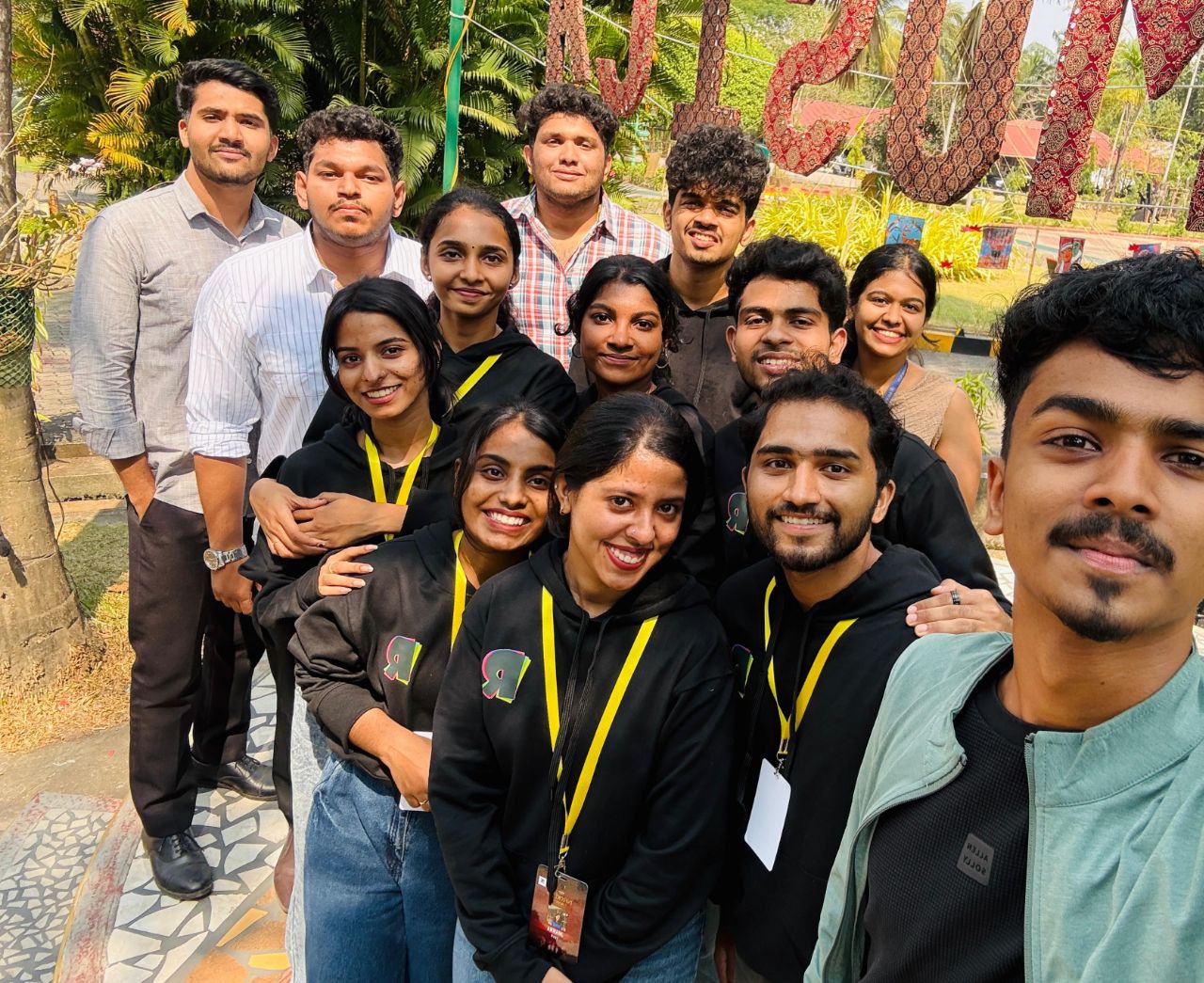
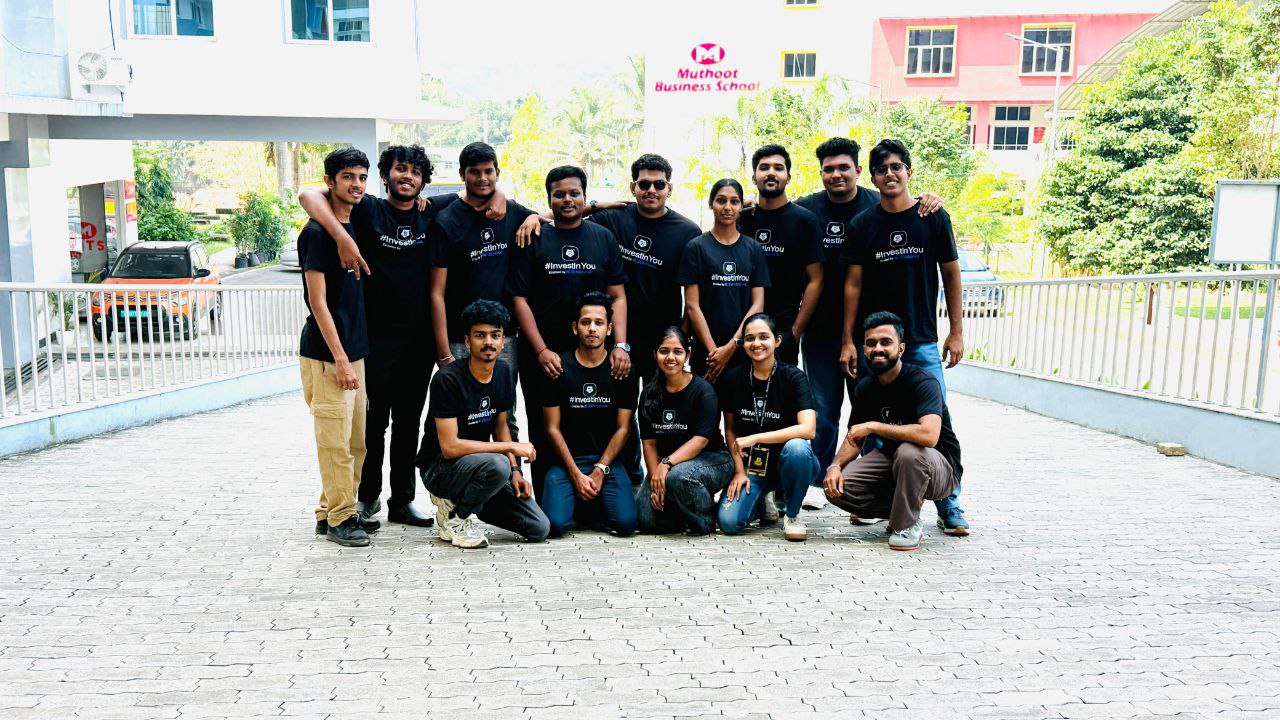
The Under 25 Summit at Muthoot Business School was a large-scale, professionally managed event that provided valuable exposure to leadership, coordination, and execution skills. As a Crew Team Member with specific responsibility as a companion to the Event MC, I contributed to the smooth running of the summit, gaining practical insights into event management and real-time coordination.

Role and Responsibilities

My role involved supporting the Event and managing the crowd during live sessions, assisting with stage coordination and program sequencing, ensuring smooth transitions between segments, and coordinating with organizers and crew members to maintain event flow. This required reliability, alertness, and the ability to operate effectively in dynamic, real-time environments.

Skills and Exposure Gained

This experience provided hands-on exposure to live event and stage management, including understanding behind-the-scenes coordination in large events. I learned to handle pressure while maintaining professionalism, and improved my communication and situational awareness through active participation in the crew team.

Reflection and Takeaways

Participating in the Under 25 Summit strengthened my discipline, responsiveness, and execution under time constraints. It highlighted the importance of preparation and adaptability in event coordination, contributing to my professional growth in managing high-stakes situations.

Under 25 Summit

Key Achievements

01

Founding Committee Member – Sports Club, MBS

Recognized as one of the founding members responsible for establishing the Sports Club at Muthoot Business School. Contributed to structuring activities, leading event coordination, and encouraging student participation.

02

Successfully Completed Internship at Muthoot Finance

Completed a corporate internship in the Digital Marketing Department, where I undertook branch audits and supported digital campaign coordination. Appreciated for discipline, attention to detail, and timely task execution.

03

Led Branch Audit Observations Across Multiple Locations

Independently handled field audits and report preparations, contributing valuable insights to the team. Demonstrated responsibility and professionalism during external field assignments.

04

Active Team Member – Phoenix Force Learning Team

Actively contributed to group assignments, presentations, and collaborative tasks. Recognized for consistent participation, cooperation, and positive team spirit.

05

Completed BBA with Specialization in Logistics & Supply Chain Management

Achieved a strong foundational degree with a specialized understanding of supply chain operations, procurement, and logistics frameworks.

06

Participation in Club & Campus Activities

Actively involved in organizing and supporting campus events, club initiatives, and academic-related activities, contributing to my overall personal and professional growth.

My Hobbies

🎵

Music

Listening to music as a way to relax, stay motivated, and improve focus.

📺

Content & Media

Enjoy watching informative and creative content that helps me learn new skills and stay updated.

👥

Team Activities

Like participating in group events, games, and interactive activities that promote teamwork and fun.

Get In Touch

Let's Connect

Open to internships, live projects, and opportunities in consulting, finance, and strategy.

📧

Email

nebingeorgesaji@gmail.com

📱

Phone

+91 7907462410

🏢

Location

Kochi, Kerala, India